


KUALA LUMPUR, April 21 — A Bestinet-linked foreign worker management proposal has sparked fresh concerns over transparency, costs, and policy direction, with BERJASA backing 10 PKR MPs’ objections.
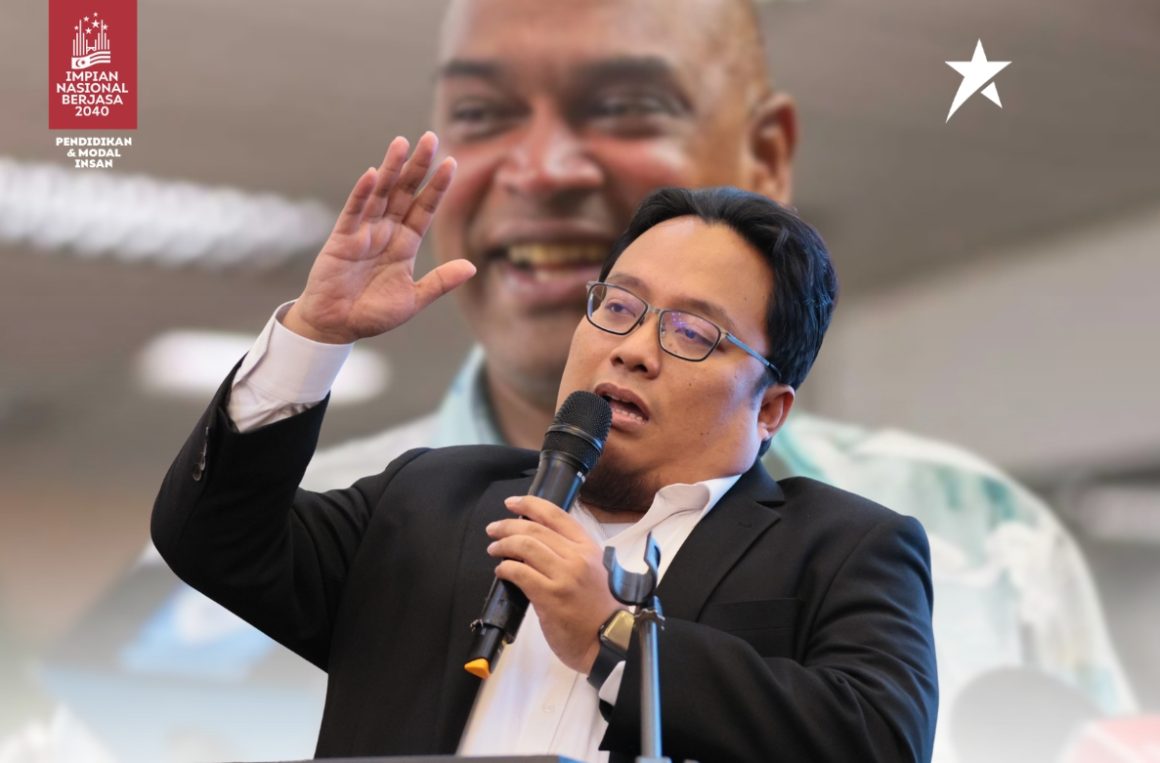
BERJASA vice-president Afif Badhrulhisham said recent remarks by Human Resources Minister R. Ramanan suggest a possible shift towards adopting the Universal Recruitment Advanced Platform (TURAP), despite ongoing public scrutiny.
He said the development raises questions about the government’s commitment to labour reform and long-term economic restructuring.
Bestinet TURAP proposal: High cost and monopoly concerns
The TURAP system, proposed by Bestinet founder Aminul Islam, reportedly involves a 12-year concession. The proposal charges companies US$1,000 (approximately RM3,950) per application, plus a fee equivalent to one month’s salary per worker.
He said that with Malaysia employing an estimated 2.1 million low-skilled foreign workers, the model concentrates control in a single provider, creates monopoly risks, and drives up business costs.
Afif said such a model could place undue financial pressure on employers while concentrating significant control within one private entity.
Foreign worker policy seen at odds with high-income goals
Afif argued that the potential adoption of TURAP signals a continued dependence on low-cost foreign labour, which may undermine Malaysia’s ambition to become a high-income nation.
Malaysia’s gross national income (GNI) per capita stood at around US$12,200 in 2023, just below the World Bank’s high-income threshold of US$14,000.
“Over-reliance on low-skilled foreign workers discourages automation, slows productivity growth, and weakens incentives to invest in high-skilled local talent,” he said.
Conflicting statements from minister draw scrutiny
Despite earlier denials, Ramanan later signalled openness to the system and confirmed that discussions are underway.
Afif described the shift as inconsistent, adding that it has reinforced concerns raised by PKR lawmakers over governance and policy clarity.
Bestinet track record resurfaces in debate
The renewed focus on Bestinet has also brought past controversies back into public discussion.
In 2018, the company faced allegations that its affiliates profited up to RM185 million from recruitment processes involving Nepali workers. While authorities later cleared the company of wrongdoing, questions over oversight persisted.
“Separately, the Public Accounts Committee (PAC) identified governance weaknesses in the Foreign Workers Centralised Management System (FWCMS), including unauthorised approvals and procurement irregularities“, he added,
The system reportedly ran for years without a formal contract before the government finalised it in September 2024 and increased permit fees from RM100 to RM215.
International allegations add pressure
The issue has also drawn international attention. Authorities in Bangladesh reportedly lodged complaints with Interpol over alleged fraud, extortion, and exploitation linked to recruitment networks.
Bangladesh authorities arrested dozens of recruitment agents in 2024 in investigations into money laundering and human trafficking, but have not pursued any extradition so far.
Push for knowledge economy and local talent development
Afif stressed that Malaysia should prioritise transitioning to a knowledge-based economy driven by innovation and skilled labour.
He cited local achievements such as Putri Qistina and the USM Apex-1 rocket as evidence of the country’s untapped potential.
Malaysia attracted RM160 billion in foreign direct investment (FDI) in the first half of 2024, up 18% year-on-year, and is set to create over 33,000 high-value jobs.
“This is the trajectory Malaysia should strengthen one that reduces dependence on low-skilled labour and maximises national talent,” he said.
Calls for clearer policy direction
Afif added that the differing signals from policymakers point to a lack of cohesion within the government.
He urged stronger alignment and clearer policy direction to ensure Malaysia remains on track towards sustainable, high-income economic growth.
Afif Badhrulhisham
Vice President of BERJASA